
Herniated Disc Treatment Without Surgery: What Actually Works
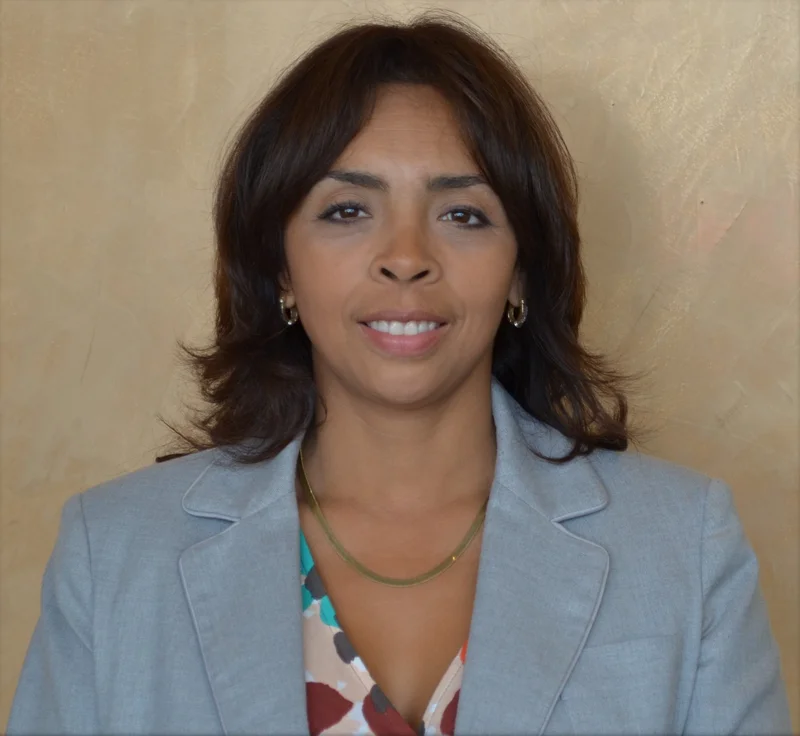 Reviewed by Dr. Monica Gonzalez, D.C. · Board Certified
A herniated disc diagnosis sounds scary. But here is the reality most surgeons will confirm: the majority of herniated discs heal without surgery. The question is not whether to avoid surgery. The question is what to do instead, and how to do it right.
What Is a Herniated Disc, Exactly?
Your spine has 23 discs. Each one is like a jelly donut: a tough outer ring (annulus fibrosus) surrounding a gel-like center (nucleus pulposus). A herniation happens when the outer ring tears and the gel pushes outward. If that material presses on a spinal nerve, you get pain, numbness, or weakness, usually down one leg (lumbar) or one arm (cervical).
Not all herniations cause symptoms. Many people have herniated discs on MRI and feel nothing. Symptoms depend on where the herniation is and whether it contacts a nerve.
Why Surgery Is Often Unnecessary
Research consistently shows that 80 to 90 percent of herniated disc cases resolve with conservative treatment. The body has a natural mechanism for reabsorbing disc material. Your immune system actually breaks down the herniated portion over time, especially larger herniations (which, counterintuitively, tend to reabsorb faster than small ones).
The job of conservative treatment is to manage pain, maintain function, and prevent the secondary problems (muscle wasting, joint stiffness, chronic guarding) that develop when people stop moving because it hurts.
Our Three-Specialty Approach
Chiropractic: flexion-distraction therapy. Dr. Monica Gonzalez uses a specialized table that gently stretches and decompresses the spine. This creates negative pressure inside the disc, encouraging the herniated material to retract. It also opens up the space around the nerve, reducing irritation. Treatments are gentle and controlled.
Physical therapy: stabilization and mobility. Karl Cuenco, PT, designs a graduated exercise program. Phase one focuses on pain-free movement patterns and gentle nerve mobilization. Phase two builds core stability. Phase three returns you to full function. The timeline adjusts based on your response.
Acupuncture: inflammation and pain control. Hyung W. Kim, L.Ac., targets the inflammatory response around the affected nerve root. Acupuncture reduces muscle guarding and spasm, which often contributes as much to your pain as the disc itself.
What the Research Says
- A 2010 study in the Journal of Manipulative and Physiological Therapeutics found that 60% of sciatica patients with disc herniation who failed other medical treatment benefited from spinal manipulation to the same degree as surgical patients
- The American College of Physicians recommends non-pharmacological treatments including spinal manipulation as first-line therapy for back pain
- Studies show that larger disc herniations actually have higher rates of spontaneous resorption than smaller ones
What to Expect at Your First Visit
We do not guess. Your first visit includes orthopedic testing to identify exactly which disc level is involved and how much nerve involvement exists. If needed, we take X-rays in the office. If your case requires advanced imaging (MRI), we will tell you directly and refer you the same day.
You leave with a diagnosis, a treatment plan with a clear timeline, and your first treatment. No weeks of waiting to find out what is wrong.
Warning Signs That Need Immediate Medical Attention
- Sudden loss of bladder or bowel control
- Progressive weakness in both legs
- Numbness in the groin or inner thighs (saddle anesthesia)
- Severe, unrelenting pain that does not respond to any position change
These are signs of cauda equina syndrome. Go to the ER immediately. This is rare but time-sensitive.
Start Treatment Today
Pain Center of Morris has treated herniated discs in Elizabeth, NJ since 1995. Same-day appointments available. Most insurance accepted. Bilingual staff. Call (908) 469-4070 or schedule online.
Same-day appointments available. Hablamos Español.